Not every heavy lift needs a crane, and not every crane-sized job can be done safely with a forklift. Choosing the wrong equipment category is a common — and avoidable — source of delay and cost on warehouse and yard projects.
What Forklifts Are Built For
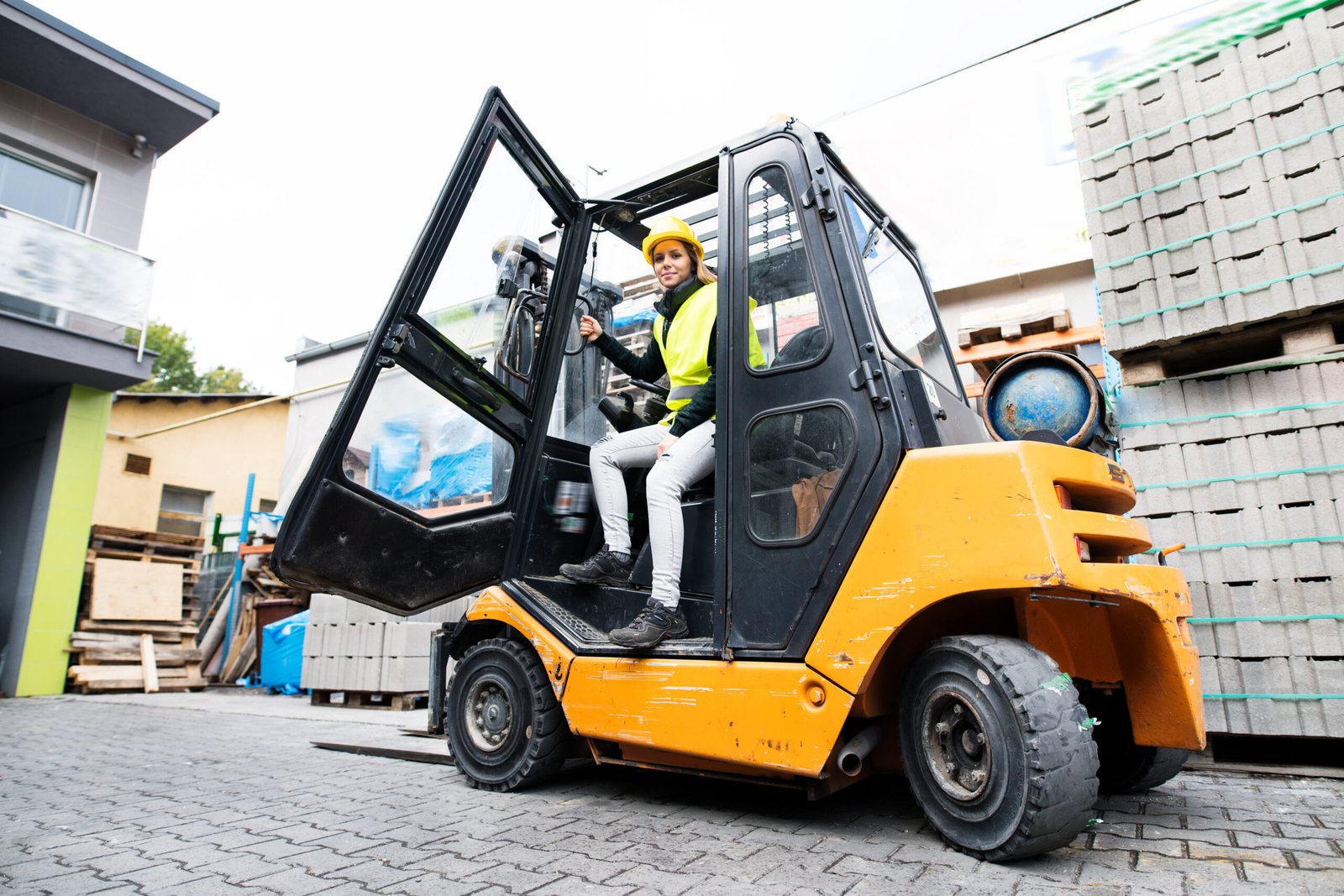
Forklifts are designed for palletized and boxed loads moved over relatively short, level distances — loading trucks, stacking racking, shifting materials around a yard or warehouse floor. They’re fast to deploy and efficient for repetitive, floor-level movement.
What Mobile Cranes Are Built For
Mobile cranes handle loads that are heavier, less standardized in shape, or need to move vertically or over an obstacle — positioning structural steel, setting large equipment onto a foundation, or lifting a container over a stack rather than around it.
Key Differences That Should Drive Your Decision
- Load shape: palletized/boxed favors a forklift; irregular or oversized favors a crane
- Distance and direction: horizontal floor movement favors a forklift; vertical or over-obstacle favors a crane
- Ground surface: forklifts need a relatively even, load-bearing floor; cranes can often be positioned to work around surface limitations
- Duration: short repetitive tasks suit a forklift rental; a single heavy positioning job may only need a crane for a few hours
When You Might Need Both
Warehouse fit-outs and yard reorganizations often use both in sequence — a crane to position heavy equipment or racking structures, then forklifts for the ongoing palletized movement once the heavy lifting is done.
Not Sure Which One Your Job Needs?
Describe the load and we’ll recommend the right equipment before you book.