A heavy lift is one of the highest-risk activities on an industrial or construction site, and the margin for error is thin. The lifts that go wrong are rarely the result of one big mistake — they’re usually a small planning gap that compounds under load.
Before the Lift: Planning and Site Prep
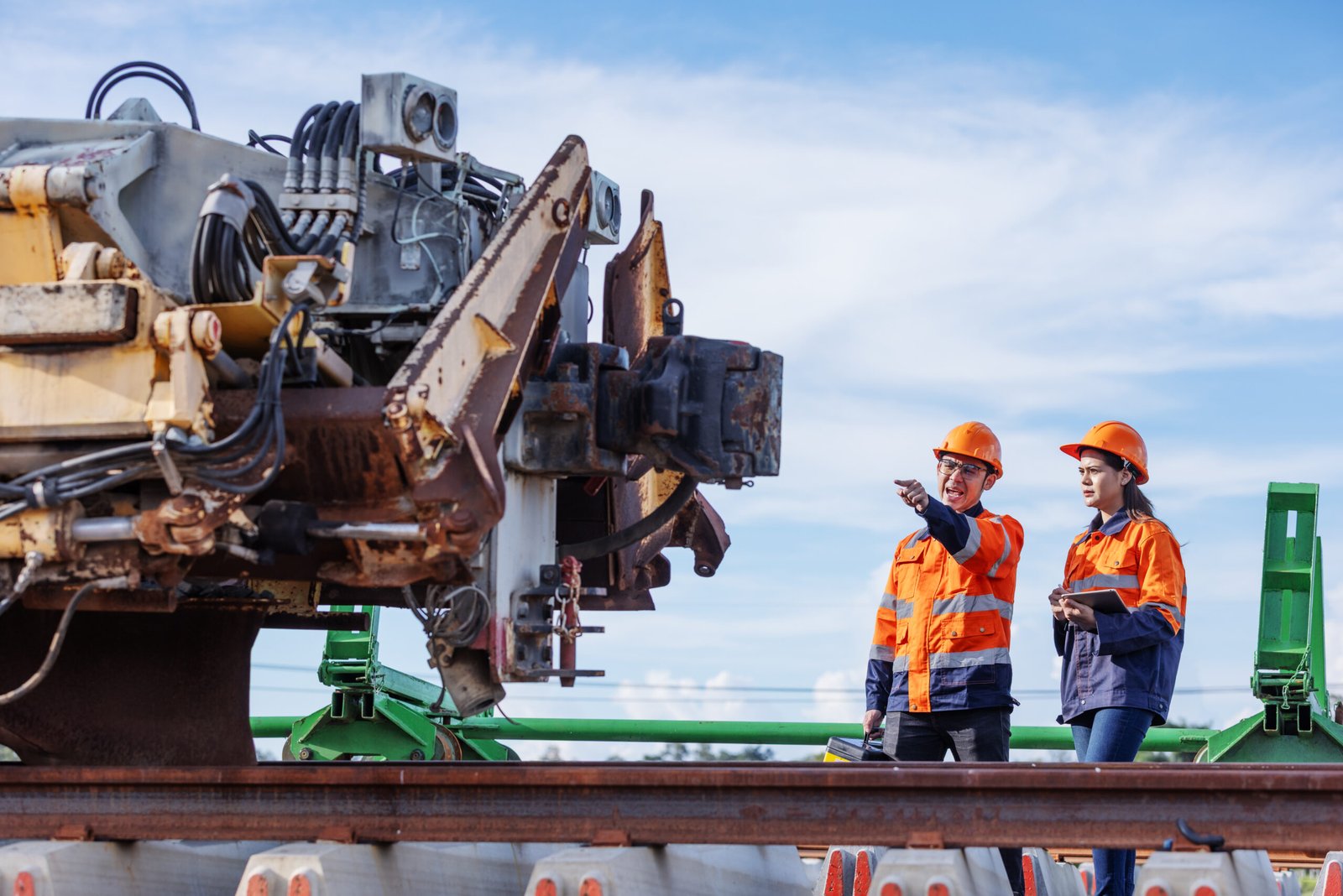
- Confirm ground-bearing capacity at the crane’s exact set-up position, not just “somewhere near the load”
- Verify the lift radius and capacity chart match the actual load weight, including rigging
- Clear and barricade the lift zone and swing radius before equipment arrives
- Confirm the communication method between operator, rigger, and site supervisor
During the Lift: What Should Be Happening On-Site
- A single point of communication directing the lift — not multiple people giving instructions
- Constant visual or radio contact between the operator and the signal person when the load isn’t in the operator’s direct line of sight
- No personnel under a suspended load at any point
- Weather conditions checked against the equipment’s rated wind limits, not just “it looks fine”
Operator and Equipment Standards Worth Verifying
- Operator certification current and specific to the equipment class being used
- Equipment maintenance and inspection records up to date
- Rigging gear rated for the load and inspected before use, not assumed fit for purpose
A Quick Pre-Lift Checklist You Can Use
- Load weight confirmed, including rigging
- Ground conditions checked at the exact crane position
- Lift zone cleared and barricaded
- Operator certification verified
- Communication plan agreed before the first lift of the day
Planning a Heavy Lift?
Every lift we run starts with this kind of pre-lift planning as standard.